

Design Smarter: A Comprehensive Guide to Architectural Resources and Techniques
July 25, 2025 | by admin@designpointview.com
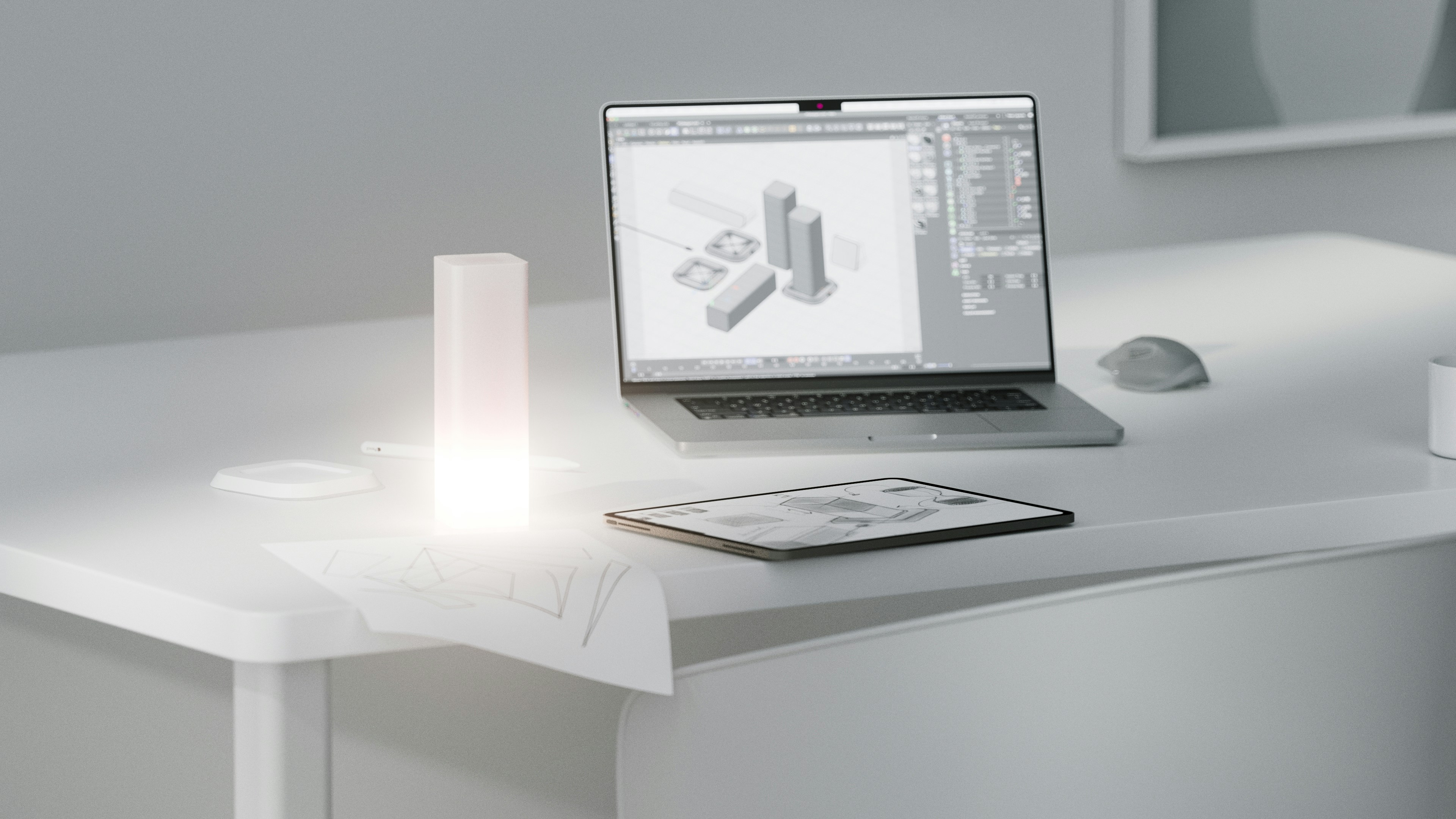 Photo by Milad Fakurian on Unsplash
 Unlocking Efficiency: Architecture Tips for Modern Designers
In the highly competitive field of architecture, maximizing efficiency while ensuring high-quality outputs is crucial for modern designers. One effective strategy is to embrace digital tools and software that can streamline the design process. Programs such as Building Information Modeling (BIM) allow architects to visualize and manage building designs in a more integrated and detailed manner. These tools enable real-time collaboration among team members and clients, significantly reducing miscommunication and errors during the design phase.
Furthermore, employing agile project management methodologies can enhance workflow efficiency. By adopting an iterative design approach, architects can focus on smaller, manageable tasks rather than larger, overwhelming projects. This method not only fosters a more organized workflow but also allows for regular feedback and adjustments, ensuring designs meet client expectations from the outset.
Collaboration is another critical aspect of modern architecture. Creating multidisciplinary teams that include engineers, interior designers, and environmental consultants can lead to innovative solutions and streamlined designs. Regular meetings and brainstorming sessions encourage the sharing of ideas, fostering a more inclusive design process. Leveraging collaborative platforms can reduce the friction that often accompanies remote teamwork, facilitating effective communication and rapid decision-making.
Additionally, time management is a vital skill for architects seeking to enhance their efficiency. Utilizing project management tools that track deadlines, milestones, and resources can help keep projects on schedule. Prioritizing tasks based on urgency and importance can also minimize the risk of last-minute rushes, allowing architects to dedicate ample time to refining their designs.
By implementing these strategies, modern architects can significantly improve their workflow efficiency while maintaining the creative and quality standards essential to their work. Embracing these techniques not only benefits individual projects but also supports a more sustainable architectural practice overall.
Essential Resources: Blogs, CAD Blocks, and Design Tools
In the ever-evolving field of architecture, staying updated and equipped with the right resources is crucial for both seasoned professionals and emerging designers. One of the most effective means of gathering insights and inspiration is through specialized blogs that focus on architectural design. These blogs offer a variety of articles covering trends, innovative practices, and case studies that can enhance a designer’s perspective. Notable examples include ArchDaily, which showcases contemporary architecture from around the globe, and Dezeen, which combines design and architecture news, often highlighting cutting-edge concepts and products.
In addition to blogs, architects frequently utilize Computer-Aided Design (CAD) blocks. CAD blocks are pre-drawn components that can significantly streamline the drafting process. They consist of everyday elements such as furniture, fixtures, and landscaping, enabling designers to insert them directly into their projects. Websites like CAD Blocks Free or Architectural Drafting provide a plethora of downloadable resources that cater to various architectural needs, ensuring that the workflow remains efficient and productive.
Moreover, leveraging advanced software and online tools is indispensable in modern architectural practices. Programs like AutoCAD and Revit are industry standards, offering extensive features for 2D drafting and 3D modeling. Equally, tools like SketchUp provide user-friendly interfaces ideal for rapid prototyping and visualization. Online platforms such as Archistar integrate various data points to assist in site analysis and design decisions. By assembling these essential resources, architects and designers are equipped with a comprehensive toolkit that not only saves time but also empowers them to design smarter and more efficiently.
RELATED POSTS
View all

 Photo by Grant Ritchie on Unsplash
 Elevate Your Design Game: Architecture Tips and Resources for Smarter, Faster Projects
July 25, 2025 | by admin@designpointview.com
 Photo by Evgeniy Surzhan on Unsplash
 Streamlining Your Architectural Approach: Tips and Resources for Enhanced Productivity
July 25, 2025 | by admin@designpointview.com
 Photo by Hannah Busing on Unsplash
 Mastering Design Strategy: Essential Resources and Insights for the Modern Architect
July 25, 2025 | by admin@designpointview.com